
Fillings
Congratulations, if you have never had a cavity! You are not alone if you have had one. On average 78% of humans have had at minimum one cavity by the age of 17, according to a 2000 report by the U.S. Surgeon General. A dental filling can help treat a cavity.
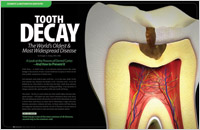
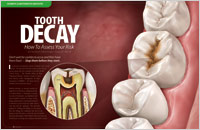
Fillings do just what their name implies — seals a small hole in your tooth, i.e. cavity, caused by tooth decay. This helps to prevent — a bacteria-induced infection) from spreading any further into your tooth, if untreated it can continue to the sensitive inner pulp or nerve tissue which is located in the root canal of the tooth. You would need root canal treatment should that happen.
For dentists today, there are a vast variety of materials that can be used to fill teeth, but the process of filling a tooth is the same regardless. The first step is a dental exam of the tooth using x-rays, to determine how severe the tooth decay really is. Next removal of the decayed area of the tooth, so there is no discomfort. The area around your tooth will be anesthetized first. If you are nervous or do not like to receive numbing injections, you can take an anti-anxiety medication or use nitrous oxide to help you feel more relaxed. After removing the decay, the remaining tooth is etched or roughened with a mild acidic solution, then clear cement is applied for bonding the tooth and the filling material together.